

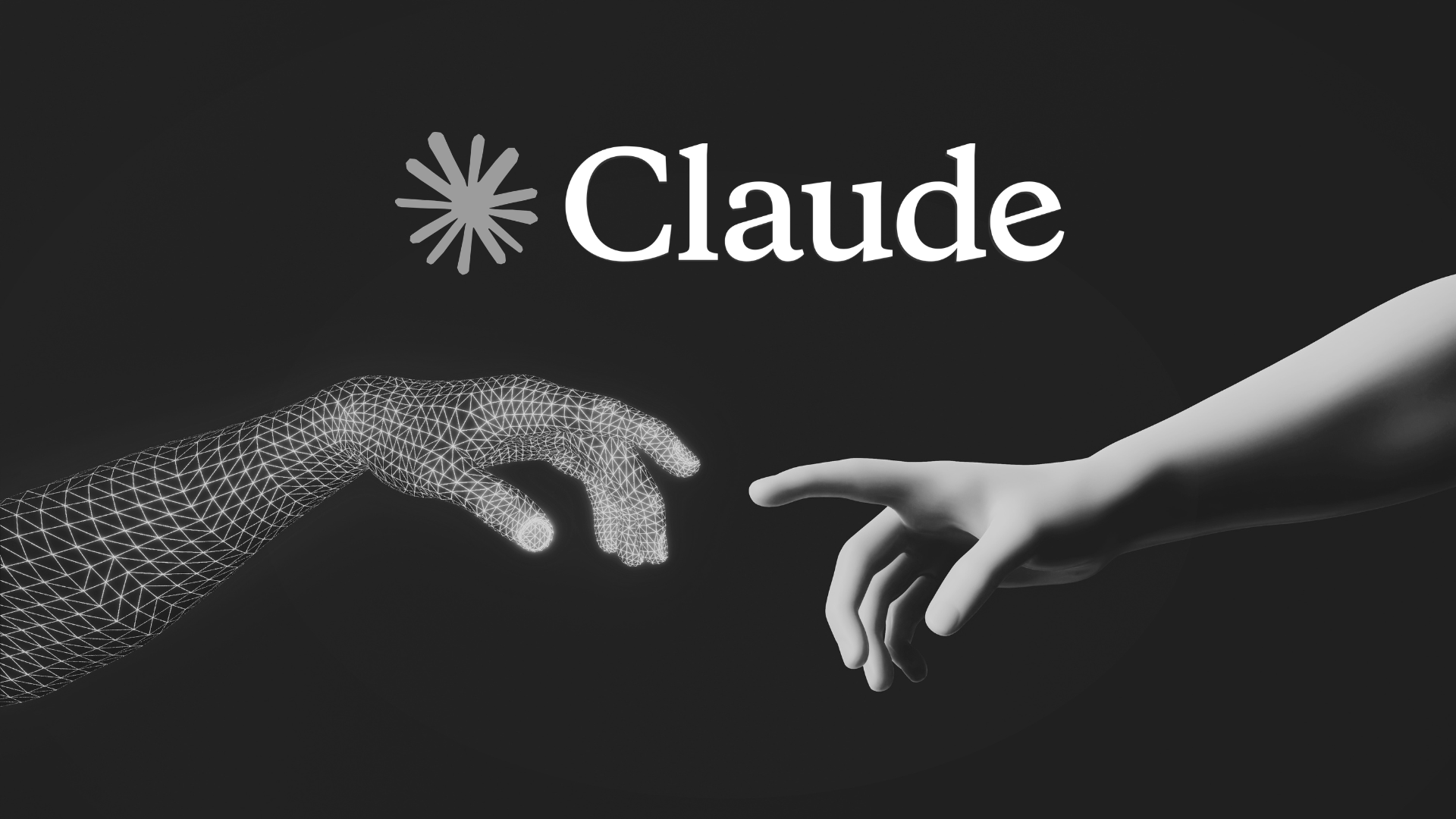
What Is Claude Opus 4.7. And Why It Matters for Businesses
Understanding Claude: more than just another AI tool
Claude is an artificial intelligence system developed by Anthropic, designed to assist with tasks like writing, analysis, coding, and decision-making.
At first glance, it may seem like just another AI model in a rapidly growing space.
But Claude has been positioned differently from the start.
Its focus is not just on generating content, but on:
- Deep reasoning
- Reliability in complex tasks
- Structured problem-solving
- Real-world usability in business environments
This makes it especially relevant not just for individuals, but for companies looking to integrate AI into their operations.
The April 2026 update: Claude Opus 4.7
In April 2026, Anthropic introduced a major update:
Claude Opus 4.7
Positioned as its most advanced model to date, this version focuses on:
- Improved programming capabilities
- Stronger reasoning across multi-step tasks
- Better handling of complex workflows
- Enhanced performance for enterprise use cases
This is not just a technical upgrade.
It reflects a clear shift in how AI systems are being designed and used.
A move toward complex, real-world tasks
One of the most important improvements in Claude Opus 4.7 is its ability to handle more complex, interconnected tasks.
Instead of responding to isolated prompts, it performs better when:
- Context is large
- Tasks involve multiple steps
- Decisions depend on structured logic
This is especially valuable for:
- Development teams
- Operations
- Data analysis
- Internal process management
AI is no longer limited to simple outputs.
It’s becoming capable of supporting entire workflows.
Claude Code: integrating AI into the workflow
Alongside the model update, Anthropic introduced improvements to Claude Code, its developer-focused interface.
These updates include:
- A more advanced CLI (command-line interface)
- A new desktop application
- An integrated terminal for managing complex projects
This reduces friction between:
- Thinking and execution
- Planning and building
Instead of using AI as a separate tool, teams can now integrate it directly into their daily workflows.
“Computer Use”: from assistance to action
One of the most notable features introduced in this update is “Computer Use”, currently in beta.
This capability allows Claude to:
- Interact with desktop applications
- Navigate interfaces
- Execute tasks across different tools
At the moment, it’s available in MacOS environments.
But the implication is much bigger.
This is not about generating responses.
This is about AI taking action inside real systems.
Why this update matters
Most conversations around AI still focus on:
- Content generation
- Productivity improvements
- Faster execution
But Claude Opus 4.7 signals something deeper:
A shift from AI as an assistant to AI as an operator.
Instead of:
- Helping users step-by-step
It moves toward:
- Executing processes
- Managing tasks
- Operating across tools and environments
This changes the role AI can play inside a business.
What this means for companies
The immediate reaction to updates like this is usually:
“New capabilities → more efficiency.”
But that’s only part of the story.
The real impact depends on how companies use it.
With tools like Claude Opus 4.7, businesses can:
- Automate more complex workflows
- Reduce manual processes
- Increase operational speed
But these benefits only materialize if there is:
- Clear structure
- Defined processes
- Strategic direction
Without that, more powerful tools can actually increase complexity.
The same pattern applies
This follows a broader principle we see across marketing and operations:
Technology amplifies what already exists.
- Strong systems → better results
- Weak structure → more inefficiency
Claude doesn’t change that dynamic.
It accelerates it.
Final thought
Claude Opus 4.7 is not just a model update.
It represents a broader shift in how AI is evolving:
From a tool that supports tasks…
to a system that can operate within them.
The companies that benefit from this shift won’t be the ones that adopt it first.
They’ll be the ones that:
- Understand where it fits
- Build structure around it
- Use it with clear direction
Because in the end:
AI doesn’t create strategy.
It scales it.
Turn AI into a structured advantage
At ACO, we help companies move beyond experimentation.
We focus on:
- Integrating AI into real business processes
- Aligning technology with strategic goals
- Building systems that scale with clarity
Book a strategic diagnosis
We’ll analyze your current operations, identify where AI can create real impact,
and define how to implement it effectively.
No hype. Just direction.